South Gloucestershire Council is launching a new way of supporting low income households in need of immediate or long-term support due to an unexpected change in their financial situation, following the introduction of the Government’s Crisis and Resilience Fund.
The new fund is part of a national move towards a more joined up approach to help people recover from a crisis and build longer term financial resilience.
Unlike the previous Household Support Fund, payments from the Crisis and Resilience Fund will be more targeted to ensure the council helps those who need it most.
Emergency payments will still be available for eligible residents who experience an unexpected financial shock such as a job loss, bereavement, illness or a sudden essential cost. Applications will be carefully assessed and due to a change in policy, repeat or duplicate requests are unlikely to be approved.
For most people, however, support will be in the form of access to a wider range of advice and practical support including help to:
• maximise their income, including benefit checks
• manage debt and household bills
• improve budgeting and financial stability
• reduce energy costs and manage fuel poverty
• access food and community support with built in advice
Support is available through One Stop Shops, community venues, food banks and partner organisations across South Gloucestershire, with additional outreach planned for rural areas.
Residents seeking financial help through the Crisis and Resilience Fund will also be offered practical support and advice to help prevent future crises.
To apply visit www.southglos.gov.uk/crisis-and-resilience-fund and for wider support visit www.southglos.gov.uk/costofliving Anyone unsure where to start can also visit a One Stop Shop in Kingswood, Patchway or Yate or call 0800 953 7778.
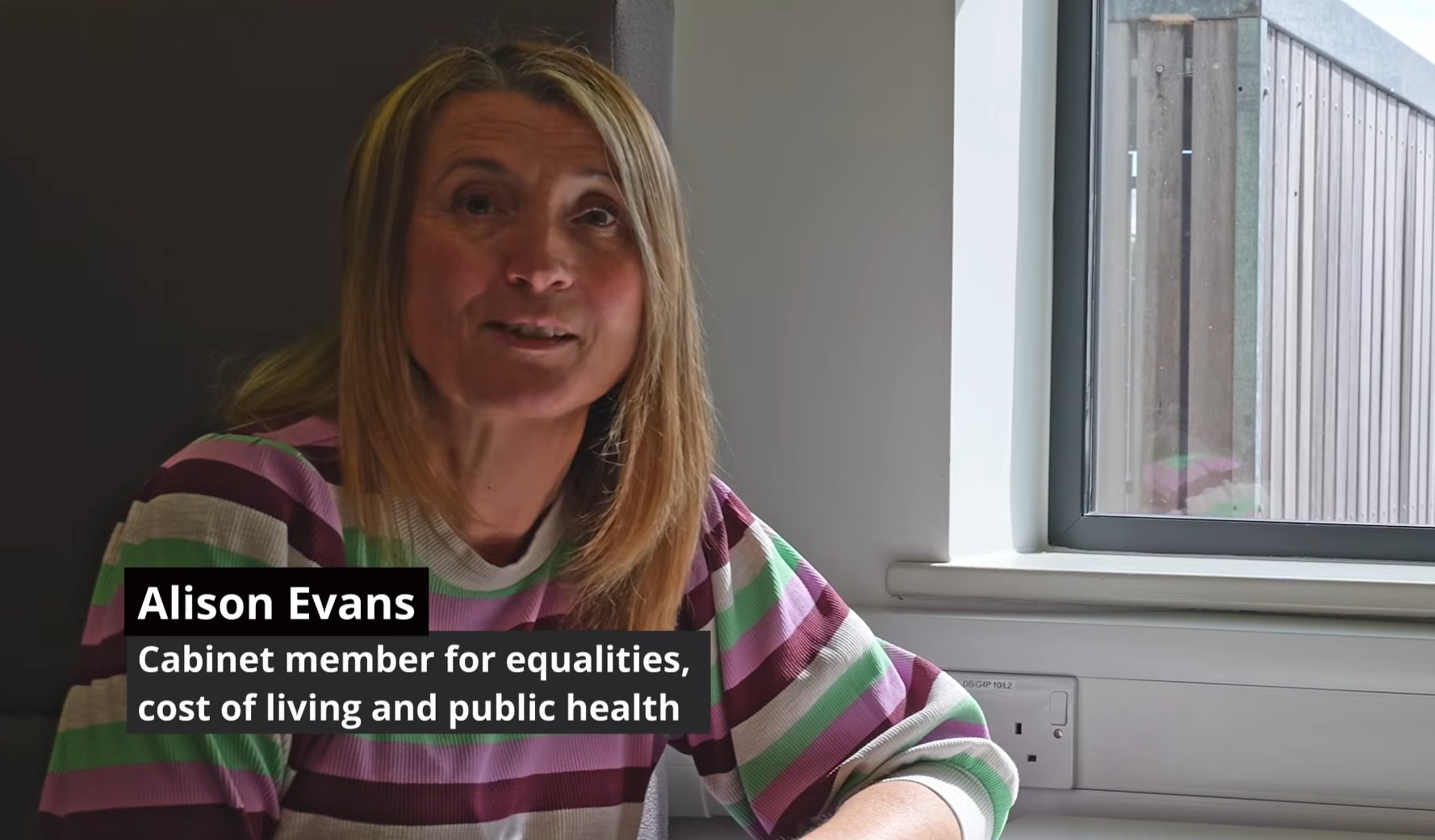
Councillor Alison Evans, cabinet member with responsibility for cost of living, said: “We know many residents are under real financial pressure, and no one should feel they are on their own when something unexpected happens.
“The new Crisis and Resilience Fund allows us to offer help when people need it most, while also focusing on the practical support that can genuinely improve financial stability in the longer term.
“While emergency payments will still be available in some situations, our priority is to work with residents to maximise their income, manage bills and reduce the risk of them falling into crisis again. Help is still very much there, it’s being offered in a way that’s more targeted and more sustainable.”
As a council, we have a strong track record of supporting residents in urgent need, and they are encouraged to get in touch to find out more about the financial help and other guidance provided by the council and our partners.
Last year, the council’s One Stop Shops have provided real support to residents facing financial difficulties. More than £500,000 has been distributed through the Household Support Fund. This included more than £29,000 in same-day emergency awards to around 600 residents; around £11,000 to help families buy school uniforms; and around £120,000 for essential household items like white goods and furniture, for around 300 households. In addition, shopping vouchers worth over £315,000 were given to more than 1,600 households to help with the cost of living.
In the contact centre, staff have managed more than 200,000 calls, 20,000 emails, and more than 1,000 social media queries over the past year. The introduction of auto-enrolment for benefit-based Free School Meals has helped around 600 children receive support more quickly.