A wide range of work, including practical programmes such as the creation of new nature reserves and improvements to local habitats, as well as strategies and policies already in place and planned for the future, were included in a report to South Gloucestershire Council Cabinet.
Details of existing projects and plans for the future were contained in a report the council will publish for the Department for the Environment Food and Rural Affairs under new obligations from the Government. All local authorities are required to demonstrate the measures and plans they have to help protect and improve the natural environment in their area.
The report shows that the most effective successes have come from working closely with other local councils and authorities, and with local communities who want to actively improve natural habitats and biodiversity where they live.
Projects highlighted in the report include:
• With support from the council, 17 Town and Parish Councils have prepared Local Climate and Nature Action Plans, covering significant new spaces between them, which are being managed positively for nature by local communities.
• A new 55 hectare nature reserve in Aust on council-owned land will make practical use of floodplain for conservation grazing this year.
• The West of England Combined Mayoral Authority funded purchase of almost 56 hectares of land surrounding a council owned farm in Frampton Cotterell which will help to create a river reserve that will promote biodiversity and improve the health of the waterway.
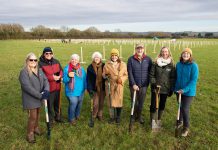
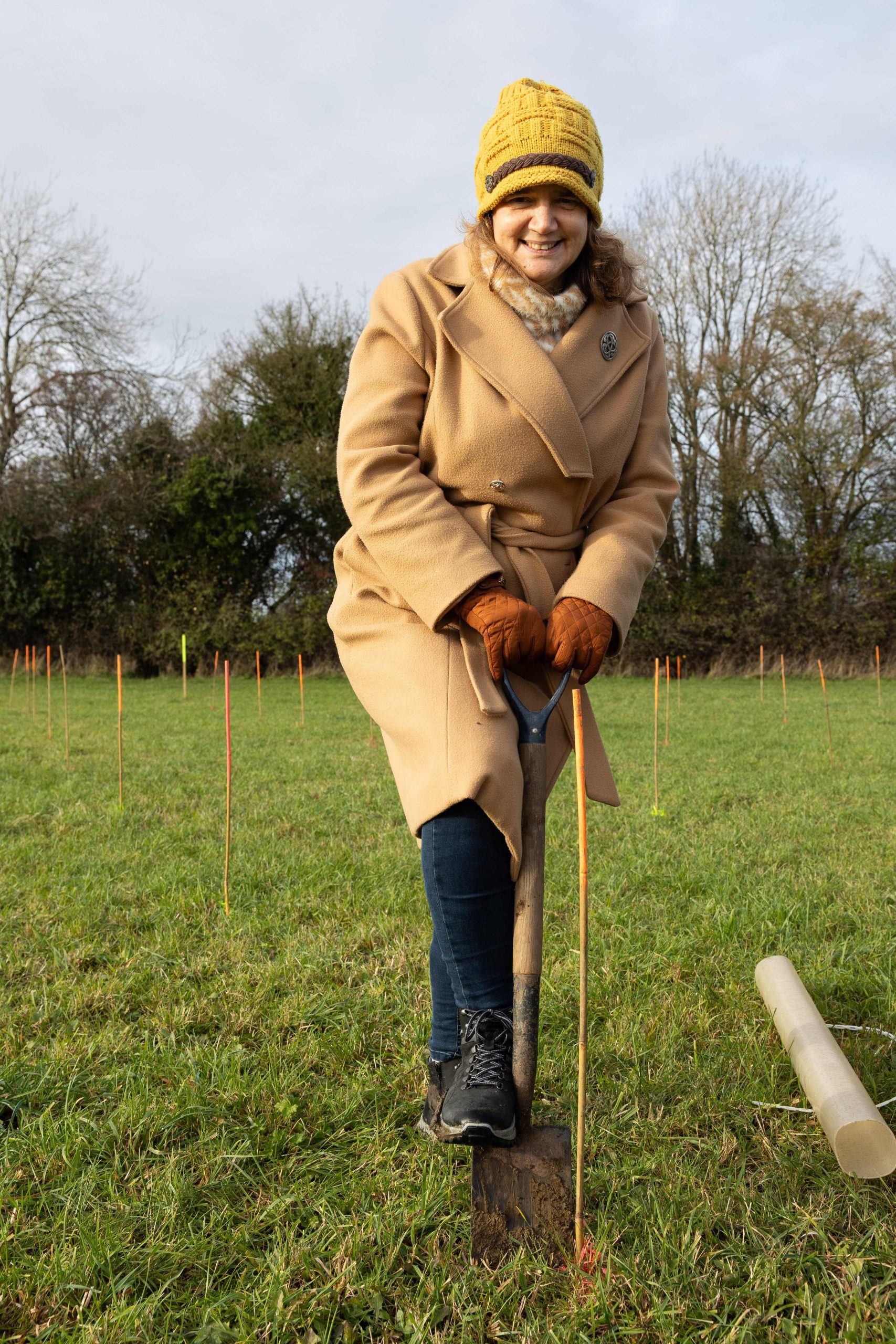
• The Council has committed 30 hectares in Pucklechurch to plant the biggest ever new woodland on its land. Once completed, Pucklechurch Wood will create and support a mixture of woodland, grassland, and freshwater habitats.
• A new Local Nature Reserve has been designated at Woodwell Meadows, which is a small but very important, species-rich grassland site. This step will protect it for nature and the local community now and into the future.
South Gloucestershire Council has been working actively to help local nature since declaring a Climate and Nature Emergency in 2018. It has worked with many Town and Parish Councils as well as community groups to complete a series of annual action plans and is committed to deliver in its nature recovery goals. Responding to the threats to our natural environment is an integral part of the Authority’s Council Plan, and all major decisions it takes are required to consider the potential impact on the local environment as we continue to adapt to our changing climate.
The council has been managing 19 Roadside Nature Reserves (RNR) for over a decade. These are spaces by our roads that can contain flower species including the nationally important Lizard Orchid, which are important to pollinators such as bees,
Other major projects that have seen South Gloucestershire work with local people and other local organisations including schools.
The Commons Connections project, a four-year scheme to restore, improve and connect greenspaces across the eastern edge of Bristol where it meets South Gloucestershire. Across 100 sites, the project has had impact across 375 hectares, restoring wildflower meadow, planting trees and community orchards and creating or restoring ponds and installing footpaths and benches to that people can enjoy the habitats around them. The project has also been working with residents supported by Avon Wildlife Trust to make improvements for wildlife across more than 500 local residents gardens to create new Community Nature Reserves.
Looking ahead, the council will soon fully launch Investing in Communities, Climate and Nature (ICaN) to secure and channel funding into local projects to improve local biodiversity, resilience and wider benefits for local people and our environment.
South Gloucestershire Council Cabinet lead member for the Climate and Nature Emergency, Councillor Louise Harris, said: “We all know there is so much to love about the natural environment in our area, which is why we are committed to protecting and enhancing it for everyone now and into the future.
“This report highlights how much energy and enthusiasm there is in our communities and among partners to make a difference and help nature thrive around us.
“Resilient natural habitats, in water, trees, grasslands and meadows help clean our air, give homes to pollinators that support food production, and give us all wonderful places to explore and appreciate.
“A diverse and healthy natural environment around us is also great for our wellbeing. We thrive when nature thrives, which is why it’s so important to protect and improve it.
“By working collaboratively to better manage the land where we live, we can help prevent flooding caused by our changing climate. And the work we do locally makes a difference, our local contribution, to slowing, stopping and ultimately reversing the damage that threatens our environment.
“While our communities continue to need space for homes for our children and infrastructure to support our lives, it’s important to recognise the vital role of thriving nature and natural infrastructure to support our lives now an into the future.”
The full report and appendices can be found on our website at Item 13 in the papers for the South Gloucestershire Council Cabinet meeting from Monday 9 March 2026: https://council.southglos.gov.uk/ieListDocuments.aspx?CId=134&MId=17311